The five warning signs your CMS is failing your marketing team.
Most marketing leaders don’t wake up and decide their CMS is broken. The decline is gradual: a workaround is built to bypass a rigid template; a developer is pulled into a quick fix that shouldn't require code; a team quietly lowers their expectations of what is possible just to get a campaign out the door.
By the time the platform becomes a boardroom conversation, it has usually been costing the business, in both agility and revenue, for years.
In a modern digital operation, your CMS should be a performance multiplier, not a gatekeeper. If you recognise any of the following five signs, your platform has transitioned from a tool into a bottleneck.
1. Building a campaign landing page is a project, not a task
| Impact area | Immediate result | Long-term consequence |
| Revenue | Unrealised monthly targets | Permanent loss of market-window revenue |
| Brand | Reduced share of voice | Lowered authority vs. faster competitors |
| Efficiency | Higher cost-per-click | Increased customer acquisition cost (CAC) |
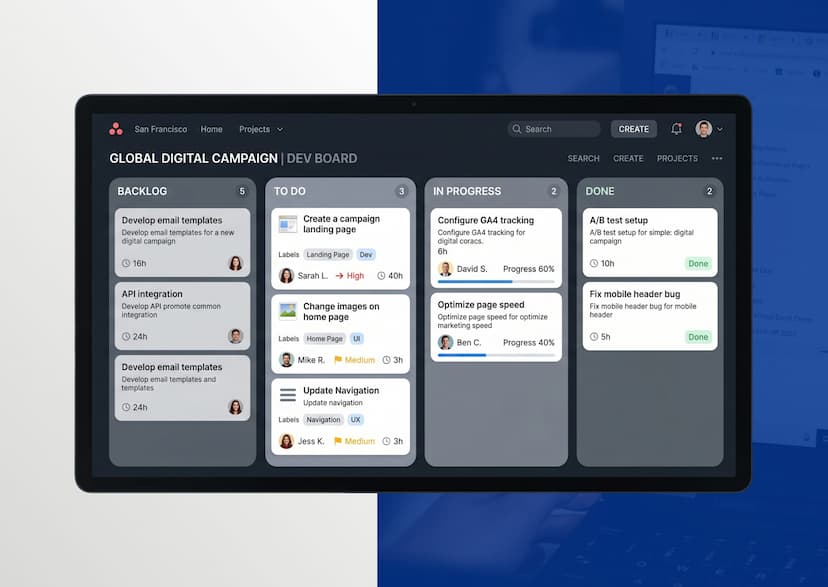
| The operational standardIn a mature digital setup, developers build the components (the building blocks) and the marketing team assembles the pages independently. If your team cannot move from idea to live, without opening a Jira ticket, your CMS is failing the speed test. |
2. Minor edits require major involvement
You need to swap out a hero image. It should take someone ten minutes, not 3 days.
This is the most common complaint from large marketing teams, and it tends to surface in one of two ways. Either the team is quietly absorbing the delays and getting on with it, or they have stopped asking altogether and learned to work around the platform. Neither outcome is good.
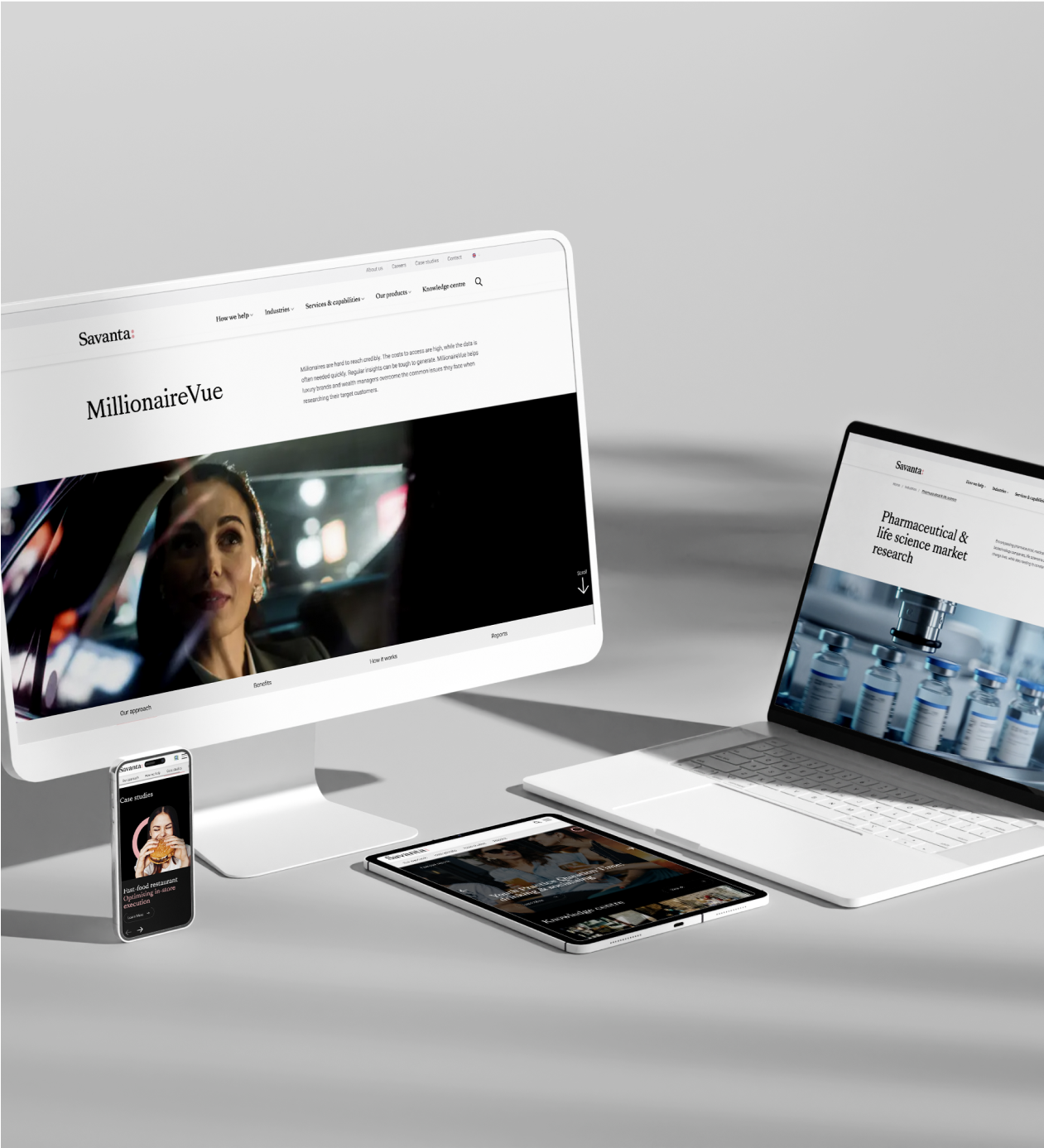
A number of enterprise organisations have moved to a headless CMS in recent years. This type of platform stores and manages content separately from the website that displays it, which brings real benefits: faster page load times, stronger security, and the ability to push content to multiple channels from one place. The catch is that without a visual editing interface, your marketers end up working in a backend administration system rather than editing content directly on the page. Updating a banner or changing a headline becomes a multi-step process involving at least one other team. Visual editing is not a bonus feature. It is the baseline requirement for a CMS that actually serves a marketing team.
| The operational standard For a team running paid search at scale, a three-day delay on a headline change is not an inconvenience. It is an active budget being wasted. If your marketing team cannot make that change independently, the setup needs a proper look. |
3. Your analytics insights rarely leads to action
Data is only useful if you can do something with it. A dashboard full of insights you cannot act on quickly is not a performance tool. It is an expensive to-do list with no clear way to clear it.
Your analytics platform flags a significant drop-off halfway down a key landing page. You can see exactly where people are leaving. You have a good idea of why. You know what to change. But making that change means logging a development request and waiting for a sprint to accommodate it. By the time the update goes live, the paid campaign driving traffic to that page has already finished its run.
A CMS that works for marketing teams should allow you to act on data-driven decisions in hours. Not weeks. The insight arrived on time. The platform just did not let you use it.
| The operational standard When your analytics surfaces a clear finding, how quickly can your team act on it? If the honest answer is: a fortnight, maybe longer, you are giving away the compounding value of continuous improvement. Competitors who can move faster are taking it. |
4. You cannot operationally support A/B testing
The commercial case for testing is hard to argue with. According to a 2026 survey by VWO, the average return on conversion rate optimisation investment is 223%.
At the same time, the cost of acquiring new customers through paid channels has risen by over 60% in the last five years. Research from Bain & Company and Harvard Business Review puts the underlying logic plainly: converting an existing website visitor is consistently five to 25 times cheaper than finding a new one. Improving your conversion rate is not a supplementary marketing activity. It is the most cost-efficient growth lever most marketing teams are underusing.
The barrier is almost always the platform. If setting up a test version of a page requires a developer to build a new layout from scratch, most teams stop running tests regularly. Not because they do not understand the value, but because the platform makes it too slow and resource-intensive to sustain as a habit. A CMS that is properly set up for marketing should let the team build a variant, change the layout, try a different structure, without writing a line of code or waiting for anyone else.
| The operational standard If A/B testing has become a quarterly event rather than a continuous habit, the platform is the constraint, not the team. |
Sources: VWO CRO Industry Report 2026; Bain & Company / Harvard Business Review, The value of keeping the right customers.
5. Your content is invisible to AI search
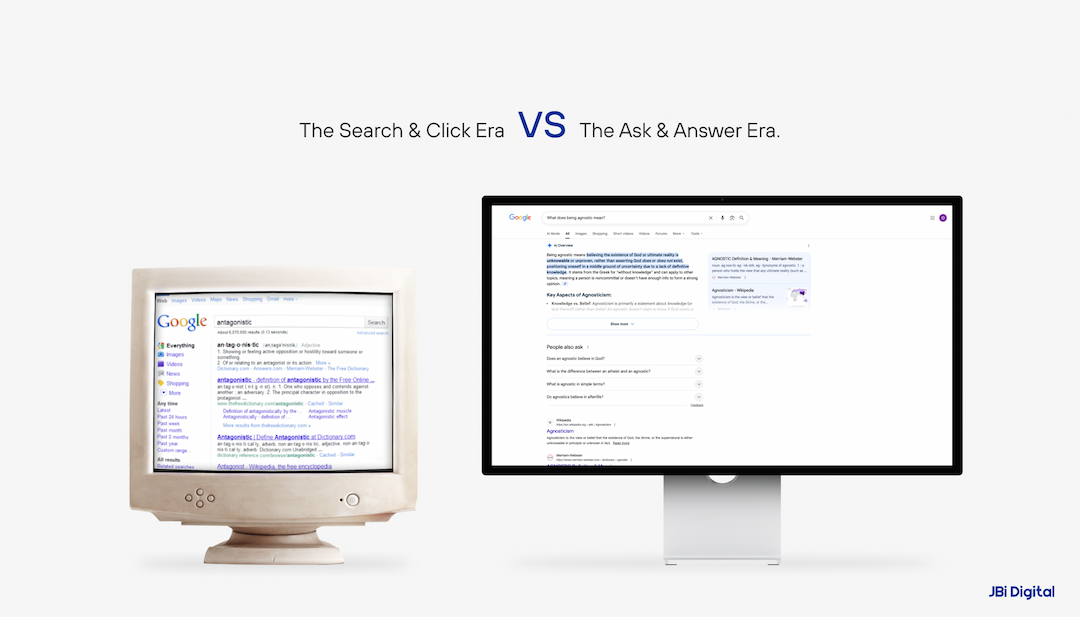
While the first four signs impact your team's ability to reach humans, the fifth sign determines whether your brand even exists for the next generation of search engines.
AI search tools do not browse the web like a person; they ingest data at machine speed. If your content is stored as a monolithic webpage, where text, images, and layout are all baked into one block, AI tools struggle to extract specific facts.
The Structural Gap: Imagine a commercial property investor asks an AI assistant which agencies specialise in urban mixed-use developments. Your firm has the expertise, but if that answer is trapped inside a fixed page design rather than stored as structured content, the AI cannot reliably retrieve it. A competitor with the same expertise but a more modern, modular content structure wins the query by default.
This isn't just about search; it's about personalisation. Delivering the right content to the right visitor based on their industry or buying stage requires content that can be tagged, filtered, and recombined instantly. You cannot do that when your insights are locked inside a static page layout.
The future-proof test: If you needed to feed your brand content into an AI assistant or launch a new digital channel tomorrow, how much of it would have to be manually rebuilt? That answer defines your current exposure and your competitors' opportunity.
What this means in practice:
- AI search and chatbots: AI tools retrieve specific facts and construct direct answers. They cannot extract information reliably from content embedded within page layouts.
- Personalisation at scale: Delivering the right content to the right visitor requires content stored as discrete, reusable, labelled blocks, not locked inside page designs.
| The future-proof test If you needed to feed your brand content into an AI assistant or launch on a new digital channel tomorrow, how much would need to be rebuilt manually before it could be used? That answer defines your current exposure, and your competitors' opportunity. |
If these five signs feel familiar, the solution isn’t always a scorched-earth platform migration. Often, a CMS is capable of giving marketing the independence it needs, but it was simply never configured to do so. In these cases, reconfiguration is the faster, lower-disruption path to agility.
However, if you are running on a legacy platform built before modern headless or component-based standards (broadly pre-2015), you are likely hitting a hard ceiling. At a certain point, the cost of working around the platform exceeds the cost of moving to one that stays out of your way.
The Litmus Test: Ask your team how long it took to go live with your last campaign. The answer tells you everything you need to know about your competitive advantage, or lack thereof.
Stop fighting your tools and start hitting your targets. Schedule a discovery call with us.
Similar Reads
Our latest news articles featuring company insights and what we have achieved so far