Equality and Human Rights Commission (EHRC)

- Budget efficiency: Stabilised the platform without an expensive full rebuild.
- Editorial control: Restored self-service menu, and layout management for internal teams.
- Platform security: Upgraded Drupal core, MySQL, and PHP to fully supported versions following OWASP Top 10 practice.
- Improved Accessibility: Meeting accessibility standards.
Modernising public sector digital infrastructure: how the EHRC cleared technical debt, and stabilised its core Drupal platform
Organisation type
Public sector equality, and human rights regulator.
Core challenge
The Equality and Human Rights Commission (EHRC) primary Drupal platform carried legacy technical debt, including outdated core software, unpatched security vulnerabilities, and infrastructure clutter that slowed routine fixes, and hampered editorial efficiency.
The solution
JBi Digital delivered a strategic platform repair model instead of an expensive full rebuild, upgrading core software versions, streamlining the Acquia hosting environment, resolving critical editorial bugs, and establishing a roadmap for future platform consolidation.
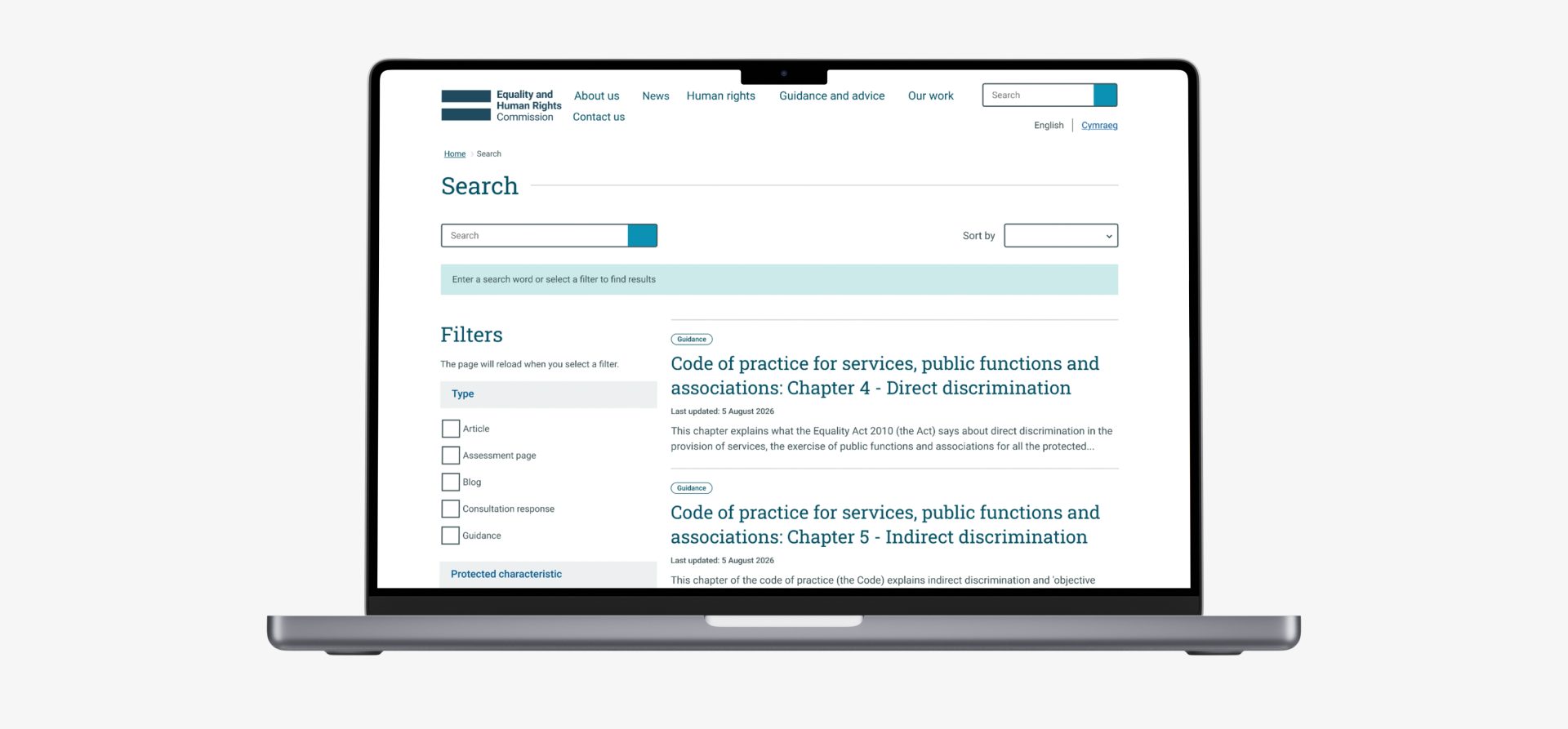
Public sector organisations operating in regulatory spaces require secure, highly available, and easily navigable digital infrastructure. Platforms serving legal guidelines, research publications, and guidance must adhere to strict security standards, and support seamless content management for internal teams.
The EHRC relies on its primary Drupal platform to deliver critical policy guidance, reference materials, and statutory information across the UK. JBi Digital was initially onboarded to manage, support, and enhance the primary site. Initial technical audits revealed that underlying technical debt was obstructing routine site maintenance, and delaying planned frontend enhancements.
Although budget had been earmarked for a complete platform rebuild, scoping demonstrated that a structured repair model offered a faster, lower-risk, and more cost-effective route to platform stability, while preserving resources for high-value user experience upgrades.
The technical audit identified three risks affecting the platform:
Software and infrastructure vulnerability
Drupal core was six months behind on security patches (running 10.3.6 against available 10.4.1), MySQL 5.7 was past its end-of-support date, PHP was outdated, and automated backup retention was limited to three days rather than industry-standard 30-day windows.
Infrastructure clutter and environment risk
The Acquia hosting environment held 65 manual database backups dating back to 2019, four years of expired Git branches, and tags, and expired SSL certificates on legacy staging domains that diverged from recommended domain architecture.
Editorial friction and translation tool defects
A fatal error in the Welsh translation tool crashed the site during homepage edits, print stylesheets failed to output legal reference content cleanly, and structural menu changes required developer tickets rather than internal administrative management.
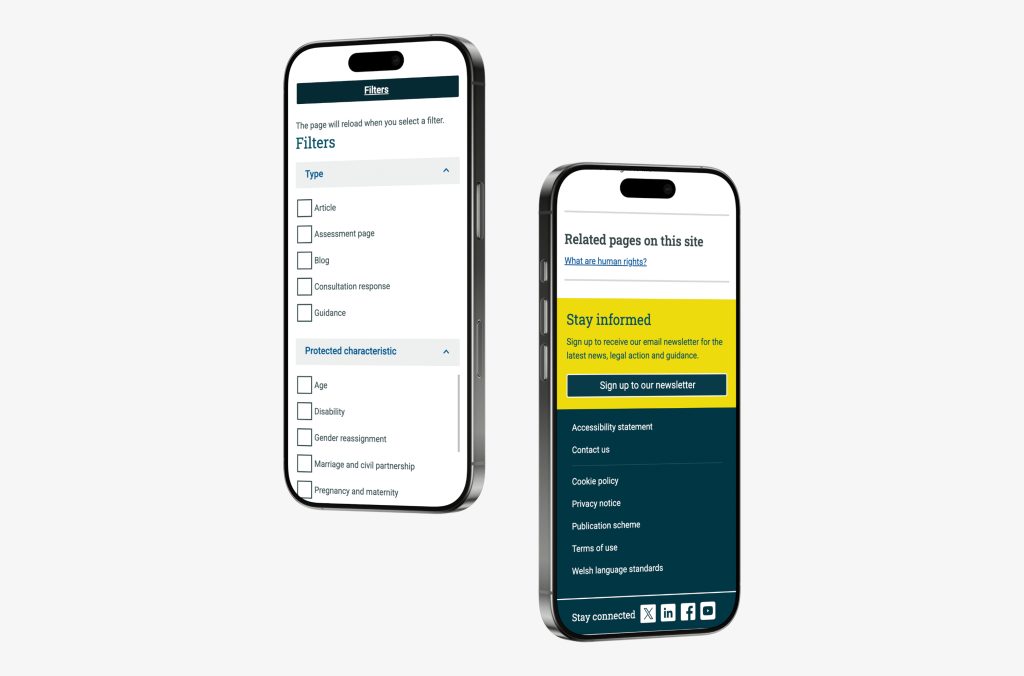
We structured the intervention into a two-tiered model:
Base repair (essential platform stabilisation) and additional enhancements (frontend, and CMS efficiency improvements).
System updates, and environment maintenance were executed across parallel technical workstreams:
Core software and database upgrades
Upgraded Drupal core, MySQL, and PHP to secure, supported versions to eliminate security exposure.
Hosting environment optimisation
Cleaned up the Acquia environment by removing expired domains, decommissioning unused servers, pruning four years of stale Git branches, clearing 65 redundant manual database backups, and increasing automated backup retention to 30 days.
Monitoring and performance configuration
Implemented proactive monitoring, and alerting on key pages, corrected caching rules, and audited third-party integration points.
Welsh translation tool remediation
Diagnosed, and resolved the fatal error affecting the Welsh translation tool, restoring homepage editing functionality without risk of site crashes.
Frontend and CMS configuration upgrades were implemented to streamline content administration:
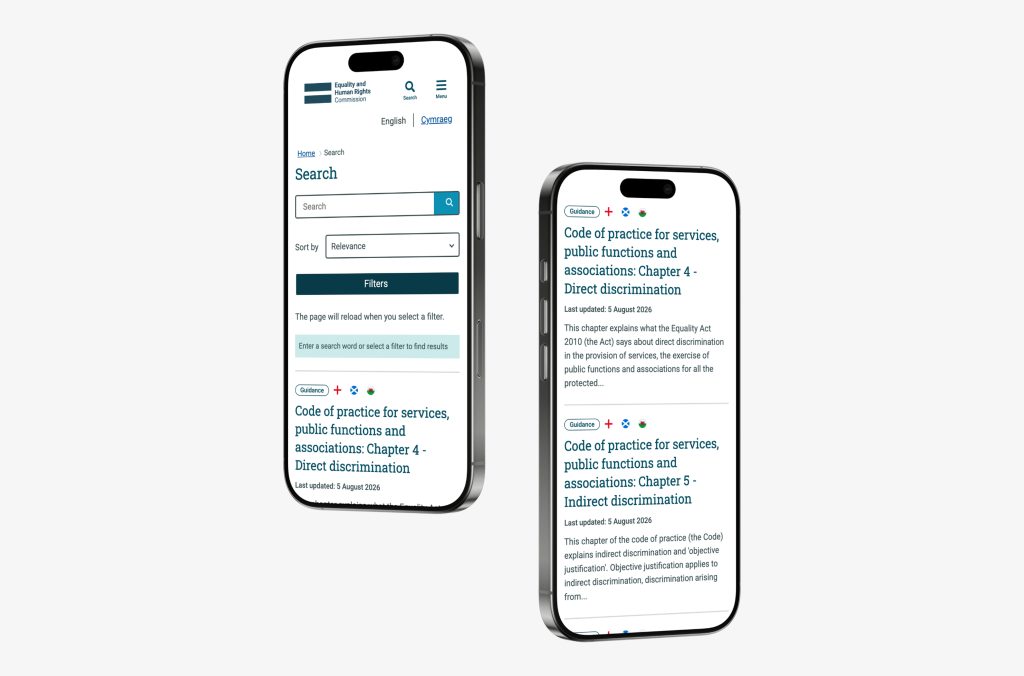
Search and discovery improvements
Upgraded search functionality to improve content discovery across reference materials.
Academic references and footnotes
Rebuilt footnote, and academic reference rendering to establish a clean, consistent format for complex legal content.
Self-service menu governance
Configured direct administrator control over the left-hand navigation menu, removing developer dependency for structural site updates.
Styling and print layout overhaul
Refreshed header, and bullet formatting for clearer content hierarchy, and rebuilt print stylesheets to ensure legal materials output professionally.
With the core platform stabilised, our technical team established a structured roadmap to migrate the disconnected WordPress-based Human Rights Tracker into the primary Drupal platform across four future stages:
Discovery, and content auditing to map deep taxonomy tagging, and filter systems.
Platform readiness preparation to clean up both sites independently before data migration.
Technical migration, and consolidation to unify search, navigation, analytics frameworks, and Welsh translation workflows under one domain.
A 30-day parallel run of legacy, and unified environments to protect search rankings, and ensure zero disruption to public users.
| Feature / capability | Previous state | Delivered outcome | Strategic benefit |
| Platform infrastructure | Outdated Drupal, MySQL 5.7, and PHP | Core software upgraded to secure, supported versions | Reduced security exposure (remediated against OWASP Top 10 risk categories) and improved platform stability |
| Environment hygiene | 65 legacy backups; 4 years of stale Git branches | Acquia environment cleaned; 30-day backup policy set | Reduced infrastructure overhead, and deployment risk |
| Content management | Developer tickets required for menu updates | Self-service control over navigation, and layouts | Reduced administrative overhead, and ticket volume |
| Critical bug status | Fatal error when editing Welsh homepage | Translation module repaired, and operational | Restored editorial workflows without site crashes |
| Document formatting | Unformatted legal print outputs | Overhauled print stylesheets, and academic footnotes | Professional, readable outputs for legal content |
Cost and risk mitigation through structured repair.
Choosing a targeted repair model over an unnecessary full site rebuild delivered a stable, secure platform within budget, freeing up capital for user-facing enhancements.
Restored editorial independence.
Empowering content teams to edit navigation menus, update layouts, and manage references directly reduced ongoing developer reliance, and administrative lead times.
Reliable foundation for future platform consolidation.
Clearing legacy technical debt established a secure base for the upcoming Human Rights Tracker migration, avoiding the risk of consolidating systems on top of unstable infrastructure.

Digital transformation. Delivered securely.
Let’s discuss your objectives.